






Ever noticed how your skin seems perfectly balanced until summer arrives? As temperatures rise, your face may suddenly become oilier, shinier, and more prone to breakouts, while makeup struggles to stay in place. Although summer brings sunshine, vacations, and outdoor fun, it can also create a skincare challenge for many people. But why does your skin produce more oil in summer, how is excess oil linked to acne and breakouts, and what can you do to keep your skin fresh, balanced, and healthy throughout the season?
Understanding Why Your Skin Gets Oily in Summer
The main reason why your skin becomes oily in summer is actually due to sebum. It's a natural oil that your skin produces and plays a vital role in keeping your skin moisturized and protected.
But here's where the problem comes in. During the hot, humid summer. Those glands that produce this sebum do so in an excess quantity.
This is due to:
1. Heat and Humidity
When temperatures rise, your skin tries to cool down. One way it does this is by producing more sebum, which gives your face that shiny, greasy look.
But then humidity worsens this by trapping moisture in the air, making your skin feel sticky and oily.
2. Overwashing and Skincare Mistakes
Overwashing strips your skin of natural oils, prompting more production of sebum, which leads to a repeated vicious circle of oiliness.
3. Hormonal Fluctuations
Increased sweating and changes in your diet and lifestyle during summer subtly influence your hormones and trigger more oil production.
4. Sunscreen and Heavy Makeup
Many of the sunscreens and makeup products you apply are formulated to provide hydration. If yours is already oily skin this product will feel heavy on it.
When you use the wrong products your pores can be blocked, making your skin look even greasier.
The Science Behind Oily Skin in Summer
Research has shown that the sebaceous glands are located all over your face. When these glands produce excess sebum, it combines with sweat and environmental pollutants, creating a shiny, clogged surface prone to acne.
Even if yours is the dry skin type, during the summer period you might experience oiliness in it.
Signs You Have Oily Skin in Summer
- The first step to managing your oily skin is knowing that you have oily skin.
- Shiny forehead, nose, and chin by midday
- Enlarged pores, especially on the T-zone
- Frequent acne or blackheads
- Makeup sliding off easily
- Greasy feeling after washing your face
When you notice these, you might be tempted to believe that it's just cosmetic. The thing is: your skin is signaling that it needs a different summer care routine.
You can manage your oily skin without stripping your face of its natural oils. It has to do with balance.
How to Manage Oily Skin in Summer
1. Use a Gentle Cleanser
You must choose a face wash that is oil-control and gentle. Avoid harsh soaps because it triggers more sebum production.
You should look out for ingredients like salicylic acid, tea tree oil, or niacinamide, which help regulate oil without drying out your skin.
2. Hydrate Smartly
You shouldn't mistake hydration for heavy creaming. Use lightweight, water-based moisturizers to maintain your skin balance.
3. Apply your Sunscreen Wisely
Avoiding sunscreen because you think it worsens oiliness is risky. Use a sunscreen that won't block the pores of your skin.
4. Blotting Papers Are Your Friend
Carry your blotting sheets or oil-absorbing papers to manage shine during the day. Simply press it on the oily areas to absorb excess oil without disturbing your makeup.
5. Watch Your Diet
Yes, diet affects your skin! You must avoid heavy, greasy foods and focus on hydration. You need fruits like watermelon, cucumber, and citrus to help balance your skin's oiliness naturally.
6. Exfoliate Regularly
Gently exfoliate your skin 2–3 times a week to remove the dead skin cells that trap oil and lead to acne. When you over-exfoliate your skin, it can trigger irritation and increase oil production.
7. Use Products that control excess oil in your skin
You are to choose products labeled oil-free and non-comedogenic. They help absorb excess natural oils and leave your face with a smooth, non-greasy feeling.
Common Mistakes you make That can Worsen your Oily Skin
1. Using hot water to wash your face
2. Relying solely on heavy creams
3. Overusing makeup wipes or harsh scrubs
4. Skipping hydration, which tricks your skin into producing more oil
Carefully avoiding these mistakes will prevent your skin from entering an overdrive mode where it produces more oil than usual during summer.
Using a simple morning and evening routine can keep your oily skin in check for the rest of the day.
Seasonal Skincare Routine for your Oily Skin
Morning Routine:
1. Cleanse with a gentle face wash
2. Apply toner (optional)
3. Use a lightweight moisturizer
4. Apply non-comedogenic sunscreen
Evening Routine:
1. Remove makeup thoroughly
2. Cleanse with oil-control face wash
3. Apply a serum or treatment for acne-prone areas
4. Moisturize lightly
When you use the right routine, even the hottest Indian summers won’t be able to leave your skin looking greasy.
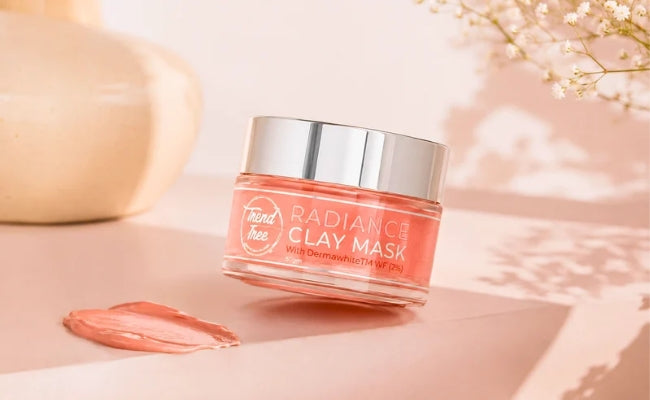
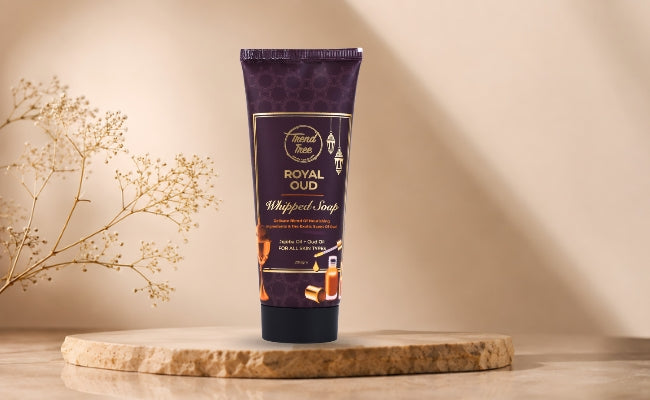
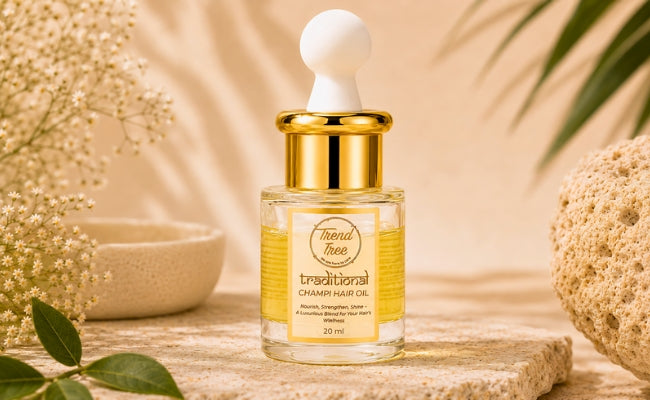
Many Indian skincare brands, including us at Trend Tree, incorporate these ingredients for effective oil management.
At the end of the day, oily skin isn’t your enemy.
It just needs the right balance and a little consistency.
When you understand what your skin truly needs and give it products that work with it, not against it, that stubborn shine turns into a healthy, natural glow.
Your focus shouldn't be fighting your skin every summer; instead, start working smarter. Don't just control the oil. Own your glow!
Conclusion
Summer oily skin is all about maintaining the right balance rather than stripping away your skin’s natural oils. Use a gentle cleanser, lightweight moisturizer, non-comedogenic sunscreen, and suitable oil-control products to manage excess shine and breakouts. Avoid over-cleansing and harsh scrubs that can irritate your skin. With the right routine and TrendTree skincare, you can keep your skin fresh, healthy, and balanced all summer long. Don’t fight your skin care for it and let your natural glow shine!
Frequently Asked Questions
Am I cleansing my skin the right way? +
If your skin still feels oily, dull, or clogged after washing, you may not be cleansing properly. Effective cleansing removes excess oil, sweat, sunscreen, and dirt without leaving your skin tight or dry. Use a gentle, oil-control cleanser suited to your skin type and cleanse for 30–60 seconds.
Can over-cleansing damage my skin? +
Yes. Washing your face too often can strip away natural oils, potentially causing dryness, irritation, and increased oil production. For most people with oily skin, cleansing twice a day is usually sufficient.
Do I need a special cleanser for my face? +
Yes. Facial skin is more delicate than body skin, so regular soap may be too harsh. Choose a gentle face cleanser suited to your skin type. Ingredients such as salicylic acid, niacinamide, or tea tree oil may help manage excess oil while avoiding excessive dryness.
Why does my skin feel tight after washing? +
Tightness after washing can be a sign that your cleanser is too harsh or drying. It may strip the skin's natural barrier and cause discomfort or dryness. Consider switching to a mild, pH-balanced cleanser and follow with a suitable moisturizer.
Is cleansing enough to treat acne and breakouts? +
Cleansing helps remove excess oil, dirt, sweat, and impurities, but it may not be enough to manage acne on its own. A consistent skincare routine with suitable ingredients such as salicylic acid, along with proper hydration and daily sun protection, can help support clearer-looking skin.